


Can physical therapy help vertigo? How vestibular rehab works
Updated: 2d
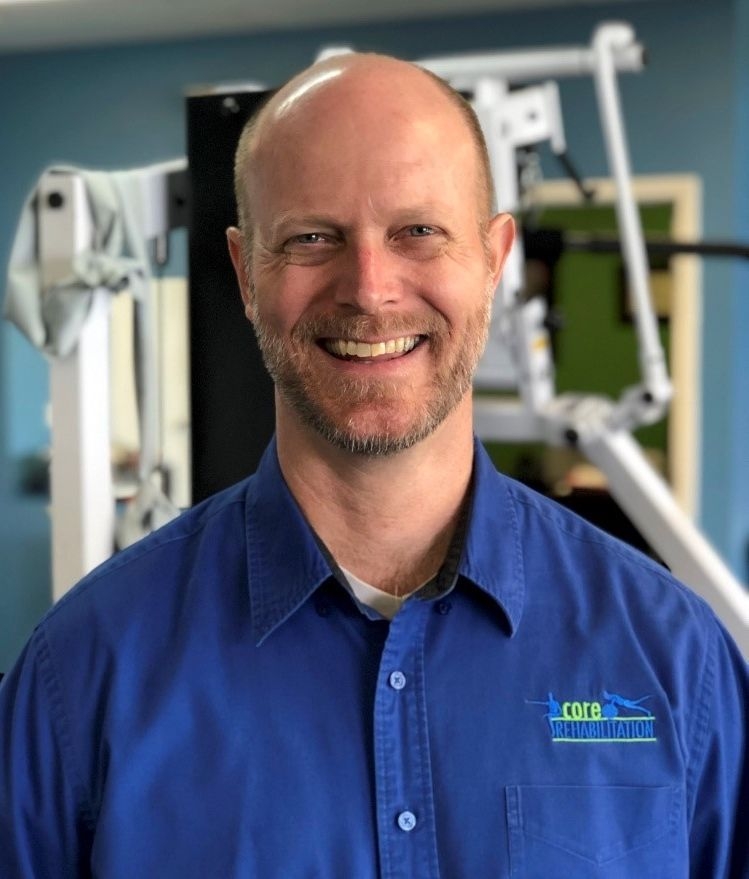
Reviewed by Joe Koloc, PT, MSPT, MBA · Last reviewed November 2026
Short answer: Yes. Physical therapy is a first-line treatment for many kinds of vertigo. For BPPV, the most common cause, a physical therapist uses repositioning maneuvers such as the Epley maneuver to move loose inner-ear crystals back into place. For other inner-ear and balance problems, vestibular rehabilitation uses targeted exercises to retrain your balance.

What is vertigo?
Vertigo is dizziness that feels like you or the room is spinning. It's a symptom, not a diagnosis. Your balance depends on three systems working together: the balance organs in your inner ear, your eyes, and sensors in your feet, joints and muscles. Vertigo happens when one of them sends the wrong signal.
What causes vertigo?
BPPV (benign paroxysmal positional vertigo): loose calcium crystals in the inner ear cause brief spinning when you roll over in bed, lie down or tip your head back. It's the most common cause of vertigo.
Vestibular neuritis or labyrinthitis: inflammation of the balance nerve or inner ear, often after a virus.
Ménière's disease: episodes of vertigo with hearing changes and ringing in the ear.
Concussion: dizziness that lingers after a head injury.
Other causes: some medicines, blood pressure changes and neurological conditions. These need a doctor's assessment.
When is vertigo an emergency?
Call 911 if dizziness comes on suddenly with any of these signs, which can point to a stroke or heart problem:
A drooping face, or weakness in an arm or leg.
Slurred speech, double vision or loss of vision.
Trouble walking, or a sudden, severe headache.
Chest pain or fainting.
See a doctor promptly for sudden hearing loss in one ear.
What does physical therapy do for vertigo?
Physical therapy for vertigo is called vestibular rehabilitation. It starts with testing: eye movements, positional tests, balance, walking, and how your symptoms respond to head movement. Then treatment matches the cause:
For BPPV: your therapist guides your head through a set of positions, such as the Epley maneuver, to move the loose crystals out of the balance canal. Treatment can start at your first visit. Many people feel much better after one to a few treatments.
Gaze stabilization exercises help your vision stay steady while your head moves.
Habituation exercises help your brain get used to the movements that set off your dizziness.
Balance and walking training helps you feel steady on your feet and lowers your risk of falls.
The American Academy of Otolaryngology–Head and Neck Surgery recommends repositioning maneuvers for BPPV. The American Physical Therapy Association's 2022 guideline strongly recommends vestibular rehabilitation for people with inner-ear weakness. See our vestibular therapy.

Can I do the Epley maneuver at home?
Only after a clinician has confirmed you have BPPV and which ear and canal are involved. The maneuver is different for each side and each canal, and doing the wrong one won't help. Your therapist can teach you a home version if it suits you.
Can physical therapy make vertigo worse?
For a short time, it can bring on symptoms on purpose. Positional tests and some exercises briefly trigger dizziness so your therapist can see what sets it off and help your brain adapt. You're seated or supported the whole time, and you can stop whenever you need to. Most people find the dizziness settles as treatment goes on.
How long does vestibular therapy take?
It depends on the cause. BPPV often improves within a few visits. Inner-ear weakness, concussion-related dizziness and dizziness that has lasted months usually take several weeks of regular exercise. Results differ from person to person.

Who should see a physical therapist for dizziness?
Consider physical therapy if you:
Get spinning dizziness when you roll over in bed or look up.
Feel unsteady walking, especially in the dark or on uneven ground.
Have had a fall, or have started avoiding activities because of dizziness.
Still feel dizzy weeks after a virus or a concussion.
Dizziness from a neurological condition such as a stroke or Parkinson's disease may also benefit from neurological rehab.
Do I need a referral?
No. In Florida you can start physical therapy without a doctor's referral. How direct access works. Your first visit is a 45–60 minute, one-on-one evaluation with a licensed physical therapist. What to expect at your first visit.
Frequently asked questions
Can physical therapy cure vertigo?
For BPPV, repositioning maneuvers often resolve the spinning within a few visits, though BPPV can come back. For other causes, vestibular rehab reduces dizziness and improves balance over several weeks.
What is the best treatment for BPPV?
Repositioning maneuvers, such as the Epley maneuver, are the recommended treatment for the most common type of BPPV.
Is vestibular therapy the same as physical therapy for vertigo?
Yes. Vestibular therapy, vestibular rehabilitation and physical therapy for vertigo all describe the same kind of treatment.
Does insurance cover vestibular therapy?
Most plans, including Medicare, cover it as physical therapy when it's medically necessary. Check your insurance.
Vertigo and dizziness care in Polk County
Core Rehabilitation offers vestibular therapy at all three clinics:
Lake Wales: 2031 State Rd 60 East · 863-678-0705
Haines City: 50 Maxcy Plaza Circle · 863-421-2000
Winter Haven: 3017 Cypress Gardens Rd · 863-268-6523
Ready to get started?
Request an appointment at the clinic nearest you. No referral needed to start.
This article is general information, not medical advice for your situation.
Sources: Bhattacharyya N et al. Clinical Practice Guideline: Benign Paroxysmal Positional Vertigo (Update), AAO-HNS, 2017. Hall CD et al. Vestibular Rehabilitation for Peripheral Vestibular Hypofunction: An Updated Clinical Practice Guideline, APTA, 2022.


Comments